How to Pick the Ideal E-Waste Recycling Service for Your Organization
Identifying the right electronic waste recycling provider is critical for companies aiming to dispose of their electronic waste properly. Several elements must be evaluated, including compliance credentials and data protection protocols. The decision can significantly influence both legal conformity and eco-friendly practices. As businesses weigh their options, they must also factor in the financial implications. Recognizing these considerations can steer businesses toward making informed choices. Which key factors should be emphasized to ensure optimal results?
Why Ignoring E-Waste Recycling Puts Your Business at Risk
Disregarding e-waste recycling can greatly jeopardize a business's operational efficiency and reputation. Organizations that fail to address their electronic waste may encounter considerable backlash from environmentally conscious stakeholders and consumers. This failure not only damages their brand identity but can also result in compliance issues if laws surrounding electronic waste recycling are not followed.
Furthermore, the improper handling of e-waste may lead to significant financial setbacks. Recoverable materials inside electronic devices risk being squandered, negatively influencing potential revenue channels. Furthermore, companies could face expenses related to environmental penalties and cleanup initiatives.
Business operational efficiency can also be compromised as outdated and non-functioning equipment clutters workspaces, impeding productivity. In an era where sustainability is paramount, a business's failure to prioritize e-waste recycling can alienate customers and diminish competitive advantage. Therefore, implementing a forward-thinking approach to e-waste management is crucial for upholding a favorable reputation and supporting uninterrupted business operations.
Which Certifications Should You Expect from Your E-Waste Recycler?
When selecting an e-waste recycling service, which certifications should be considered to confirm ethical and efficient operations? It is important to seek certifications that indicate alignment with industry standards and best practices. Among the most well-known is the Certified e-Stewards Recycler, which ensures alignment with environmental and social guidelines. The R2 (Responsible Recycling) certification is an additional key certification, emphasizing the safe management of electronic waste.
Furthermore, the ISO 14001 certification demonstrates a dedication to systems of environmental management, while ISO 9001 confirms quality management practices. These certifications provide assurance that the recycling provider follows strict protocols for handling e-waste, reducing environmental impact and fostering environmental sustainability.
E-Waste Disposal and Data Security: Keeping Your Information Safe
Data security is a critical consideration when disposing of e-waste, as confidential data can be at risk throughout the recycling procedure. Employing verified data destruction techniques guarantees that personal and corporate data is irretrievably destroyed, decreasing the chances of personal data theft or information breaches. Additionally, conformity with pertinent rules is required for protecting information and maintaining trust with clients and stakeholders.
Accredited Data Destruction Procedures
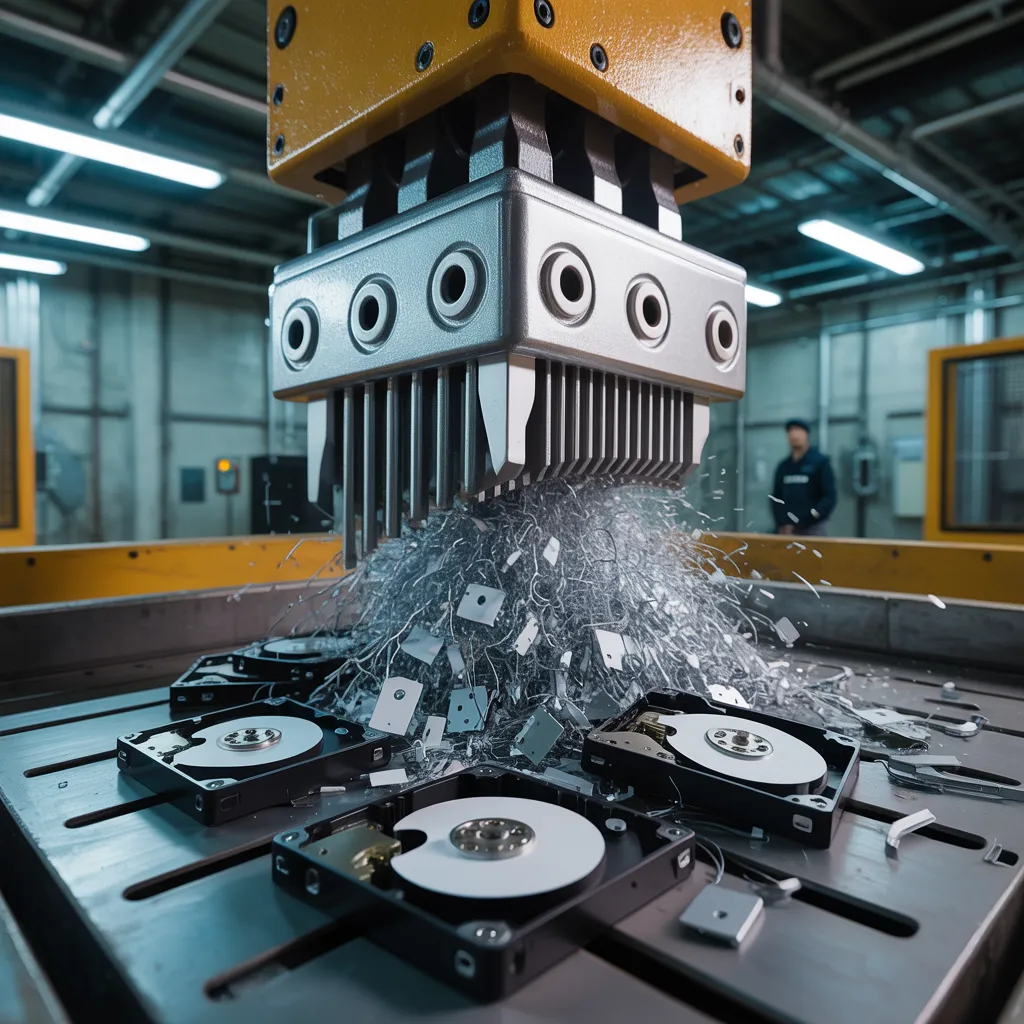
In the modern digital world, the critical nature of certified data destruction methods cannot be overstated. Organizations must confirm that sensitive information is completely obliterated during e-waste disposal to protect against unauthorized data access. Recognized methods consist of physical destruction, such as mechanically destroying hard drives, and logical destruction, which requires clearing data using purpose-built programs that meets industry standards.
Verification from recognized organizations, such as NAID (National Association for Information Destruction), confirms that a provider follows stringent protocols for the secure destruction of data. Companies should verify that their selected recycling provider uses these certified methods to protect customer and proprietary information. Investing in verified data disposal not only guards against possible data violations but also improves a business's standing in ethical data handling.
Regulatory Compliance
Compliance with regulations plays a pivotal role in e-waste disposal, with a strong emphasis on data security. Companies must ensure that their chosen recycling service follows local, federal, and international guidelines related to data protection. Standards like the General Data Protection Regulation (GDPR) and the Health Insurance Portability and Accountability Act (HIPAA) enforce rigorous standards for securing sensitive data during disposal processes. Organizations should ensure that the recycling provider utilizes certified data destruction methods, confirming that all data is completely and irreversibly destroyed. Furthermore, a reputable service should offer records of compliance and destruction procedures, delivering accountability and reassurance. By prioritizing regulatory compliance, businesses can mitigate risks associated with data breaches and maintain their commitment to data security.
Local vs. National E-Waste Companies: Which Offers Superior Environmental Practices?
How do local and national e-waste providers stack up when it comes to environmental practices? Local providers tend to focus on community involvement and may introduce specialized solutions designed to meet particular regional demands. Their reduced operational scale may allow for more direct supervision of recycling procedures, potentially leading to greater accountability and environmental integrity.
Conversely, large-scale providers can take advantage of the advantages of scale, facilitating cutting-edge technologies and wider resource networks. However, their larger scope may contribute to less personalized service and a detachment from community-based environmental priorities. Businesses must examine every provider's credentials and methods, regardless of size. At the end of the day, the impact of environmental efforts depends on the provider's adherence to sustainable approaches and not merely their geographic scope. As a result, organizations should consider both local and national alternatives to find which best matches their sustainability goals.
Examining Green Practices in E-Waste Recycling
When evaluating environmentally responsible practices in e-waste recycling, several key factors emerge. Compliance with established standards and certifications are essential measures of a provider's commitment to sustainability. In addition, openness in the recycling workflow and responsible material handling methods are instrumental in shaping the overall environmental impact of the provided service.
Standards of Compliance and Certification
While selecting an e-waste recycling service, understanding certifications and compliance standards is essential for guaranteeing environmentally responsible practices. Well-established recycling businesses commonly maintain certifications such as R2 (Responsible Recycling) or e-Stewards, which indicate adherence to best practices in e-waste management. These certifications guarantee that recyclers responsibly handle materials, avoid environmental contamination, and protect data security. Compliance with local and international regulations further reinforces a company's commitment to sustainable practices. Companies should also ask about the recycler's management of hazardous materials and their processes for monitoring and reporting e-waste. By choosing certified recycling services, companies can participate in a circular economy while lowering their environmental impact and maintaining compliance with industry regulations.
Transparency in the Recycling Process
What assurances can be pursued to ensure transparency in the e-waste recycling process? Organizations should request thorough documentation detailing the recycling approaches utilized by the service provider. This involves detailed accounts of the collection, dismantling, and processing steps. Companies can also request information on the end destinations of recycled materials, ensuring they are not sent to landfills or illegal operations. Independent audits and certifications can additionally confirm a recycling service's dedication to environmentally responsible practices. Moreover, establishing clear lines of communication with the service provider is crucial; they should be ready to explain their methods and respond to any concerns. At its core, transparency cultivates trust and provides organizations with the assurance that their e-waste is being processed responsibly and with environmental consideration.
Sustainable Material Handling Practices
Evaluating sustainable operational methods in e-waste recycling highlights the fundamental values of responsible environmental stewardship. Effective e-waste recycling services prioritize minimal environmental impact through strategies like resource recovery, waste minimization, and responsible disposal techniques. They employ efficient sorting techniques that separate toxic elements from reusable parts, guaranteeing that dangerous compounds are kept away from natural habitats. Employing environmentally conscious delivery practices further enhances sustainability by minimizing overall carbon output. Moreover, these services often invest in community awareness initiatives, spreading knowledge about proper electronic waste management. By partnering with a recycling provider that follows these environmentally responsible guidelines, businesses advance a resource-efficient economic model, ensuring that materials are reused and repurposed rather than ending up in landfills, thus cultivating a more sustainable world.
How to Budget for E-Waste Recycling Services
When considering e-waste recycling services, budgeting effectively is vital for guaranteeing compliant disposal without unforeseen charges. Organizations should commence by examining the quantity and category of electronic waste produced, as these factors greatly influence pricing. It is advisable to obtain multiple quotes from different service providers to assess fees and offerings provided.
Beyond the standard fees, organizations should consider possible additional expenses such as documentation, transportation, and any required collection fees. It is also important to understand the regulatory environment, as failure to comply can result in penalties, increasing overall costs.
Furthermore, organizations may investigate subscription-based plans or volume pricing options that can lower overall expenses. By setting aside a defined spending allocation for e-waste recycling, companies can advance sustainability initiatives while avoiding unexpected costs, effectively supporting both sustainable operations and financial well-being.
Frequently Asked Questions
How Frequently Should We Recycle Our Electronic Waste?
Electronic waste should undergo recycling on a regular basis, optimally within a six-month to one-year interval, depending on the volume generated. This schedule ensures adherence to regulatory requirements while reducing the impact on the environment as it Find more info encourages responsible waste disposal habits across the organization.
What Happens to E-Waste After Collection?
After collection, e-waste is subjected to a process of sorting, dismantling, and refinement. Valuable materials are extracted for reuse, while hazardous components are safely disposed of. This process minimizes environmental impact and promotes resource recovery, fostering eco-friendly standards in technology handling.
Are There Any Costs Involved With E-Waste Recycling?
Indeed, e-waste recycling frequently includes fees, which can differ based on factors such as the type and volume of electronics. Businesses should ask about these charges upfront to be aware of associated fees before choosing a service.
Is It Possible to Recycle Non-Electronic Items Along With E-Waste?
Non-electronic items generally cannot go through electronic waste services. The majority of facilities concentrate specifically on electronic devices. Organizations are encouraged to seek specialized disposal options for non-electronic items to secure appropriate disposal and compliance with environmental standards.
How Do We Prepare E-Waste for Recycling?
When preparing e-waste for recycling, it is important to remove batteries and accessories, thoroughly erase personal data, and sort items by type. Adequate packaging in durable boxes ensures safe transport to the recycling facility.